
Embracing Regional Climates: Understanding Your Garden’s Water Needs
When planning a flourishing all-season garden, the first step is recognizing that America’s diverse regional climates present both unique challenges and remarkable opportunities for water management. From the gentle, misty rains of the Pacific Northwest to the sun-baked, arid landscapes of the Southwest, gardeners across the country must tailor their approach to water according to their local environment. Understanding your garden’s specific climate zone is essential—whether you’re nurturing lush beds in New England or designing drought-tolerant spaces in Southern California, each region calls for mindful adaptation. By observing rainfall patterns, temperature shifts, and seasonal extremes, you can begin to craft strategies that respect natural cycles and maximize efficiency. The key lies in embracing your local climate’s nuances: leveraging winter rains for groundwater recharge in wetter regions, or capturing every precious drop through mulching and xeriscaping in drier areas. This foundational awareness not only conserves water but also supports resilient, vibrant gardens that thrive all year long.
2. Smart Planting: Selecting Resilient Flora for Every Season
Choosing the right plants is a foundational step in effective water management for gardens across diverse American climates. By focusing on native and drought-tolerant species, you can create a landscape that not only conserves water but also thrives with minimal intervention year-round. Native plants are naturally adapted to local weather patterns and soil conditions, making them more resilient through the changing seasons while supporting biodiversity.
Benefits of Native and Drought-Tolerant Plants
Incorporating these plant types into your garden brings a range of advantages:
| Benefit | Description |
|---|---|
| Water Efficiency | Require less supplemental watering once established, reducing overall water use. |
| Seasonal Adaptability | Thrive through temperature extremes, from summer heatwaves to winter chills. |
| Low Maintenance | Need fewer fertilizers and pest controls, saving time and resources. |
| Biodiversity Support | Provide habitats and food sources for native wildlife and pollinators. |
Regional Plant Selection Guide
Selecting flora that aligns with your region’s climate is key. Here’s a quick reference to get started:
| Region | Recommended Plant Types | Water-Saving Feature |
|---|---|---|
| Southwest (Arid) | Lavender, Agave, Desert Marigold, Sagebrush | Extremely drought-tolerant; need minimal irrigation once mature. |
| Southeast (Humid) | Sweetspire, Black-Eyed Susan, American Beautyberry, Swamp Milkweed | Tolerate periodic flooding and humidity; adapt well to rainfall cycles. |
| Northeast (Temperate) | Purple Coneflower, Switchgrass, Wild Columbine, New England Aster | Handle cold winters and moderate summers; require little extra water. |
| West Coast (Mediterranean) | California Poppy, Manzanita, Toyon, Ceanothus | Drought-adapted; flourish with seasonal rainfall and dry summers. |
Design Tips for All-Season Success
- Diversify Your Palette: Mix early bloomers with late-season performers to maintain visual interest and ecosystem balance throughout the year.
- Create Microclimates: Use trees or shrubs as windbreaks or shade providers to reduce water evaporation and protect delicate plants.
- Group by Water Needs: Place plants with similar irrigation requirements together—this zoning maximizes efficiency and minimizes waste.
Cultivating Resilience Through Thoughtful Choices
Your plant selections lay the groundwork for a sustainable, visually captivating garden that harmonizes with its environment. Embracing smart planting strategies not only saves water but also ensures your outdoor space flourishes through every season—beautifully reflecting America’s diverse landscapes.
3. Irrigation Innovations: Techniques for Efficient Watering
When cultivating all-season gardens across America’s diverse climates, mastering water efficiency is essential to both plant health and sustainability. Progressive gardeners are adopting innovative irrigation methods that not only conserve water but also adapt seamlessly to changing weather patterns throughout the year.
Drip Irrigation Systems: Precision at the Roots
Drip irrigation remains a gold standard for water-wise gardening. By delivering moisture directly to plant roots, these systems minimize evaporation and runoff—crucial benefits in arid southwestern states as well as humid coastal regions. Flexible tubing and adjustable emitters allow gardeners to customize layouts for everything from vegetable beds in Oregon to perennial borders in Texas, ensuring every drop counts.
Smart Controllers: Responsive Watering for Every Season
American best practices increasingly include smart irrigation controllers, which leverage weather data, soil moisture sensors, and local forecasts. These devices automatically adjust watering schedules, reducing overwatering during rainy weeks and compensating for heat waves or drought spells. For busy homeowners or community gardens, this hands-off approach maintains lush landscapes while optimizing resource use.
Rain Sensors: Embracing Natural Precipitation
Integrating rain sensors into your system prevents unnecessary watering by shutting off irrigation when rainfall is detected. This simple yet effective tool aligns with sustainable American gardening values—especially in regions like the Midwest where spring showers can be unpredictable. Rain sensors support healthy soil structure and prevent waterlogged roots by working with nature rather than against it.
Tailoring Techniques to Your Local Climate
No matter where you garden—from the snow-prone Northeast to California’s Mediterranean summers—combining these innovations creates a resilient water management strategy. Layering technology with thoughtful design transforms every garden into a model of efficiency and beauty, reflecting both ecological mindfulness and the unique spirit of American outdoor living.
4. Soil Matters: Enhancing Retention and Drainage
When it comes to all-season gardens in diverse American climates, soil quality is the foundation of effective water management. Healthy soils not only support vibrant plant life but also provide superior control over moisture—whether you’re facing arid summers or torrential spring rains. Below, we explore essential strategies that help your garden soil hold onto precious water during dry spells and efficiently drain excess during wet periods.
Composting: Building Organic Resilience
Integrating compost into your garden beds boosts soil structure, enhancing both retention and drainage capabilities. Compost introduces organic matter, improving the soil’s ability to absorb and store moisture while promoting healthy microbial activity. This dynamic creates spongier, more resilient earth that can weather both droughts and downpours common across U.S. regions.
Mulching: Nature’s Blanket for All Seasons
Mulch acts as a protective layer that shields soil from direct sun exposure and heavy rain impact. In summer, it reduces evaporation, locking in moisture for roots. During rainy seasons, mulch breaks the force of raindrops, minimizing soil compaction and runoff. Popular mulching materials in American gardens include shredded bark, straw, pine needles, and even gravel for xeriscape designs.
Comparing Mulch Materials
| Material | Moisture Retention | Drainage Support | Best For |
|---|---|---|---|
| Bark/wood chips | Excellent | Good | Perennial borders, tree rings |
| Straw/hay | Very good | Moderate | Vegetable gardens |
| Pine needles | Good | Excellent | Acid-loving plants |
| Gravel/stone | Poor | Excellent | Drought-prone, desert gardens |
Soil Amendment: Customizing for Climate Needs
The unique climate of your region—whether it’s the humid Southeast or the arid Southwest—dictates what amendments your soil may need. Sandy soils benefit from added organic matter like peat or compost to enhance water retention; clay-heavy soils require sand or gypsum to improve drainage and reduce compaction. Conducting a simple soil test will reveal your garden’s specific needs so you can tailor amendments accordingly.
Cultural Tip:
Many American gardeners swear by “lasagna gardening”—layering organic materials directly onto existing soil—which builds fertility and moisture balance season after season with minimal effort.
Tying It All Together: A Holistic Approach
The most successful all-season gardens blend these strategies for maximum effect. Regular compost additions feed the soil ecosystem, while mulching buffers against climatic extremes. Strategic amendments address regional challenges head-on, ensuring that whether you’re gardening in Seattle’s rainy winters or Phoenix’s dry heat, your soil is always ready to support lush growth with efficient water management at its core.
5. Rainwater Harvesting and Sustainable Water Features
Incorporating rainwater harvesting into your all-season garden design is both a resourceful and aesthetically enriching approach to water management. Across America’s diverse climates, creative rainwater capture systems—such as sculptural rain chains, decorative cisterns, and permeable paving—can be seamlessly integrated into garden landscapes. These features not only collect precious rainfall but also add visual intrigue, transforming functional elements into artistic statements that reflect regional style and sensibility.
Artful Rainwater Collection
Consider installing rain barrels painted in vibrant hues or adorned with mosaic tiles to become focal points near downspouts. For larger gardens, underground tanks paired with elegant stonework lids offer unobtrusive solutions that preserve open space while ensuring ample water storage for drier months. In arid western regions, gravel swales and dry creek beds channel runoff efficiently while evoking the native terrain.
Water Features that Celebrate Sustainability
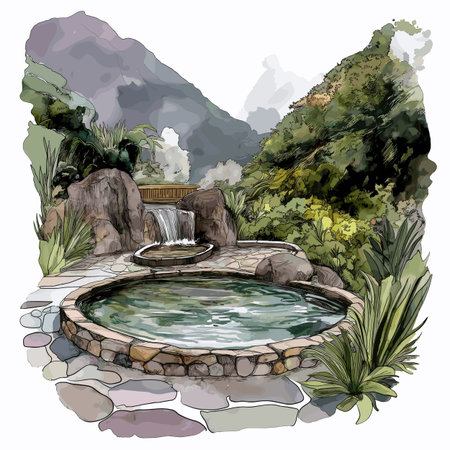
Sustainable water features do more than embellish the landscape—they can actively support your garden’s health. Recirculating fountains and small cascades crafted from natural materials double as wildlife-friendly oases and humidity boosters during hot spells. Consider using reclaimed materials or locally sourced stone to root these installations in your community’s character.
Blending Beauty with Smart Resource Use
The key to success is designing water features that serve dual purposes: enhancing sensory appeal while managing resources wisely. Permeable patios, for instance, allow rain to filter through and nourish root zones below, reducing runoff and erosion. Meanwhile, bioswales planted with native grasses capture and purify water before it returns to the ecosystem. By thoughtfully combining function and artistry, you create a resilient garden sanctuary that resonates with American values of innovation, stewardship, and beauty throughout every season.
6. Seasonal Maintenance: Adapting Practices for Year-Round Success
To keep all-season gardens thriving across varied American climates, it’s crucial to align water management strategies with nature’s changing rhythms. A well-planned seasonal maintenance schedule allows you to anticipate your garden’s needs—from winter’s quiet dormancy to the exuberant bloom of summer—ensuring both sustainability and beauty throughout the year.
Winter: Assessment & Preparation
As temperatures drop and many plants enter dormancy, reduce irrigation schedules to prevent root rot and conserve resources. Inspect mulch layers and replenish as needed to insulate roots and retain soil moisture. Check drainage systems for blockages caused by fallen leaves or ice, ensuring water doesn’t pool around plant bases.
Spring: Rejuvenation & Adjustment
With warming days, gradually increase watering frequency as new growth emerges. Test soil moisture before each irrigation to avoid overwatering. Repair any damaged hoses or drip lines, and assess rainwater harvesting systems to capture seasonal showers. Consider aerating compacted soil to enhance water penetration and root health.
Summer: Vigilance & Conservation
During peak heat, monitor for signs of drought stress such as wilting or scorched leaf edges. Water early in the morning to minimize evaporation and encourage deep rooting. Adjust irrigation timers to reflect higher evaporation rates, and use soaker hoses or drip systems for efficient delivery. Mulch generously around plants to cool roots and conserve moisture.
Fall: Evaluation & Transition
As growth slows, taper off watering schedules while maintaining adequate moisture for late-blooming perennials and newly planted trees or shrubs. Clean out gutters, rain barrels, and irrigation filters in preparation for winter storms. Take this opportunity to review overall water usage and plan improvements for the coming year based on observed garden performance.
Year-Round Tips for Success
Regularly walk your garden to spot subtle shifts in plant health or soil condition that signal changing water needs. Keep detailed notes by season, tracking rainfall patterns, plant responses, and system efficiency. By adapting your practices through thoughtful seasonal maintenance, you’ll cultivate a resilient landscape that flourishes—regardless of climate challenges or calendar changes.