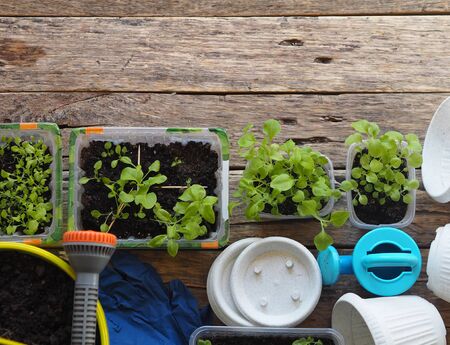

Introduction: Easy-Care Backyard Bliss
Life in the U.S. can be fast-paced, with work, family, and social commitments filling up the calendar. It’s no wonder that more and more Americans are looking for ways to enjoy a beautiful backyard without sacrificing their precious free time. That’s where low-maintenance plants come in—a true game changer for anyone who dreams of an inviting outdoor oasis but doesn’t have hours to spend on gardening each week. Whether you’re hosting summer barbecues, unwinding after work, or simply enjoying your morning coffee surrounded by greenery, choosing easy-care backyard plants allows you to experience all the joys of nature with minimal effort. In this article, we’ll explore the best backyard plants that practically take care of themselves, so you can sit back, relax, and let your garden thrive.
2. Native Plants: The Ultimate Self-Starters
When it comes to hassle-free backyard gardening in the U.S., nothing beats native plants. These are species that have evolved naturally in your region, making them perfectly adapted to local climate, soil, and wildlife. By choosing native plants for your backyard, you’re not only investing in a beautiful outdoor space that thrives with minimal care, but you’re also helping support the ecosystem right outside your door.
Why Go Native?
Native plants come with a host of benefits for American homeowners looking for low-maintenance landscaping:
| Benefit | Description |
|---|---|
| Resilience | Native plants are tough. They’re built to survive local weather extremes—be it Midwest winters or Southwest droughts—without needing constant attention. |
| Water-Saving | Since they’re used to your area’s rainfall patterns, native plants often require little to no supplemental watering once established, which helps conserve water and lowers your utility bills. |
| Pollinator Support | Many American pollinators, like bees, butterflies, and hummingbirds, rely on native flora. Planting natives helps sustain these essential species and keeps your garden buzzing with life. |
Examples of Low-Maintenance Native Plants by Region
| Region | Popular Native Plant Choices |
|---|---|
| Northeast | Black-eyed Susan, Eastern Red Columbine, Joe-Pye Weed |
| Southeast | Coneflower, Coreopsis, Southern Blue Flag Iris |
| Midwest | Purple Prairie Clover, Butterfly Milkweed, Little Bluestem Grass |
| Southwest | Pineleaf Penstemon, Desert Marigold, Texas Sage |
| West Coast | California Poppy, Ceanothus, Oregon Grape Holly |
The Bottom Line: Effortless Beauty and Sustainability
Choosing regionally native plants means less time spent watering, fertilizing, or fighting pests—and more time enjoying your backyard retreat. Plus, you’ll be making a positive impact on local wildlife and the environment. It’s a win-win for any American homeowner seeking an attractive and truly easy-care landscape.
3. Drought-Tolerant Favorites
When it comes to backyard plants that practically thrive on neglect, drought-tolerant varieties are true MVPs—especially in American regions where water conservation is a way of life. These resilient picks not only handle dry spells with ease, but they also add style and texture to any outdoor space, big or small.
Lavender: Fragrance Meets Function
If you love a pop of color and calming scent, lavender is a must-have. This sun-loving herb is famous for its purple blooms and silvery foliage, all while asking for little more than well-drained soil and plenty of sunlight. Once established, lavender barely needs watering and attracts pollinators like bees and butterflies—making your backyard both beautiful and eco-friendly.
Sedum: The Succulent Solution
Sedums, also known as stonecrops, are the ultimate low-maintenance succulents. Their thick leaves store water, so they shrug off dry spells and keep thriving even when you forget about them. Sedum varieties come in a rainbow of colors and shapes, perfect for ground cover or filling containers on a sunny patio.
Yarrow: Tough Beauty for Every Corner
For those looking for reliable blooms season after season, yarrow is hard to beat. Its feathery foliage and clusters of tiny flowers bring cheerful vibes from spring through fall. Yarrow’s deep roots make it incredibly drought-tolerant, while its wildflower charm fits right into American cottage gardens or modern landscapes alike.
Ornamental Grasses: Effortless Texture
Ornamental grasses like blue fescue or feather reed grass are backyard superstars that offer movement and dimension without fuss. They thrive in full sun and poor soil, require almost no watering once established, and look great year-round—even in winter when their golden stalks catch the light.
Perfect Picks for Water-Wise Gardens
With climate change bringing hotter summers and stricter water regulations across the U.S., choosing drought-tolerant plants isn’t just smart—it’s essential. Lavender, sedum, yarrow, and ornamental grasses allow you to enjoy a lush backyard escape with minimal effort, making them ideal for anyone who wants beauty without the burden of constant care.
4. No-Fuss Flowering Perennials
If you’re dreaming of a vibrant, low-maintenance backyard, flowering perennials are your best friends. These hardy beauties bloom year after year with little effort—just plant them once, and enjoy their colorful display for seasons to come. Some of the most reliable choices for American backyards include black-eyed Susans, daylilies, and coneflowers. These perennials thrive in various climates and require minimal attention, making them perfect for busy homeowners or those new to gardening.
Why Choose Flowering Perennials?
- Long-Lasting Color: Unlike annuals that need replanting every spring, perennials return on their own—giving you reliable blooms without extra work.
- Drought Tolerance: Many perennial flowers are tough enough to handle dry spells, ideal for regions with water restrictions or unpredictable rainfall.
- Pollinator Friendly: Flowers like coneflowers and black-eyed Susans attract bees and butterflies, supporting local pollinators and adding even more life to your yard.
Top Picks for Effortless Backyard Blooms
| Plant Name | Main Features | Sun Requirements | USDA Hardiness Zones |
|---|---|---|---|
| Black-Eyed Susan (Rudbeckia hirta) | Golden-yellow petals, attracts pollinators, drought tolerant | Full sun | 3–9 |
| Daylily (Hemerocallis) | Tough as nails, wide range of colors, reblooms throughout summer | Full sun to part shade | 3–10 |
| Coneflower (Echinacea purpurea) | Purple-pink daisy-like flowers, attracts butterflies & birds, medicinal uses | Full sun | 3–9 |
Caring for Your Perennials: Minimal Steps, Maximum Impact
- Select a sunny spot with well-drained soil.
- Water deeply when newly planted; once established, they’ll thrive with little extra care.
- Deadhead spent flowers occasionally to encourage even more blooms.
Create Colorful Patches Effortlessly
You don’t need a green thumb or hours of free time to grow a stunning backyard garden. By planting no-fuss flowering perennials like black-eyed Susans, daylilies, and coneflowers, you’ll enjoy vibrant color that returns every year—no replanting required. It’s the ultimate shortcut to a lively outdoor space that looks great all season long!
5. Effortless Edibles
Imagine stepping outside to your own backyard and snipping fresh herbs or grabbing a handful of sun-ripened strawberries for breakfast. With the right plant choices, this farm-to-table dream is totally achievable—even if you’re not much of a gardener. Herbs like rosemary and mint are absolute standouts for easy backyard growing. Both are hardy, drought-tolerant, and can thrive in containers or directly in the ground. Rosemary loves a sunny spot and only needs occasional watering once established, while mint practically grows itself (though it’s best kept in pots to prevent it from taking over!).
Strawberries add sweetness and color to your outdoor space. Choose everbearing varieties for repeated harvests throughout the season. Strawberries need just a sunny patch, a little mulch, and regular picking to keep them producing.
Cherry tomatoes are another go-to for low-maintenance backyard edibles. These cheerful plants flourish in pots or garden beds with at least six hours of sunlight daily. Water them deeply but infrequently, and they’ll reward you with clusters of bite-sized tomatoes perfect for snacking or tossing into salads.
If you crave that fresh-from-the-garden flavor without spending all weekend digging, planting these effortless edibles is your ticket to easy backyard bounty—and a taste of homegrown goodness just steps from your kitchen.
6. Care Tips for Low-Maintenance Backyards
If you’re looking to cultivate a backyard that’s as effortless as it is inviting, a few smart strategies can make all the difference. Here’s how to keep your low-maintenance plants thriving with minimal effort—no green thumb required.
Mulch for Moisture and Weed Control
Adding a layer of mulch around your plants is one of the easiest ways to reduce work and boost plant health. Mulch helps retain soil moisture, suppresses weeds, and keeps roots cool during those hot American summers. Organic mulches like shredded bark, pine needles, or compost are especially good choices—they’ll slowly enrich the soil as they break down.
Proper Spacing Matters
It’s tempting to crowd plants together for instant impact, but giving them enough space is key. Proper spacing allows air to circulate freely, reducing the risk of disease and making it easier for each plant to access sunlight and nutrients. Check plant tags or ask at your local garden center for recommended distances—it’s worth the extra planning!
Simple Watering Routines
Even the toughest backyard plants need some water, especially when first getting established. Aim for a deep soak once a week rather than frequent light sprinkles; this encourages roots to grow deeper and become more drought-tolerant over time. Consider setting up a soaker hose or drip irrigation if you want true set-it-and-forget-it convenience.
Let Nature Work Its Magic
The beauty of low-maintenance landscaping is that sometimes, less is more. Many native and drought-resistant plants will thrive with little intervention once mature. Don’t be afraid to let your backyard go a little wild—birds, pollinators, and beneficial insects will thank you! Resist the urge to over-prune or over-fertilize; instead, enjoy watching your self-sufficient garden evolve naturally through the seasons.
7. Conclusion: Enjoying a Chill Outdoor Retreat
Creating a backyard that thrives with minimal effort isn’t just about plant selection—it’s about embracing an easygoing, laid-back lifestyle that fits perfectly with modern American living. When you fill your outdoor space with resilient, self-sufficient plants, you set the stage for more relaxation and less work. Imagine unwinding on your patio or balcony, iced tea in hand, surrounded by lush greenery and vibrant blooms that flourish with little more than the occasional drink of water or quick trim. With these low-maintenance backyard plants, you can spend more time hosting cookouts, playing yard games, or simply soaking up the sun instead of weeding and fussing over finicky flowers. Let your backyard become your personal retreat—a space where you can recharge without stress, knowing that nature is taking care of itself. By choosing smart, sturdy plants and letting go of perfectionism, you’ll reap the rewards of a beautiful and thriving outdoor haven that invites you to slow down and savor every chill moment.